
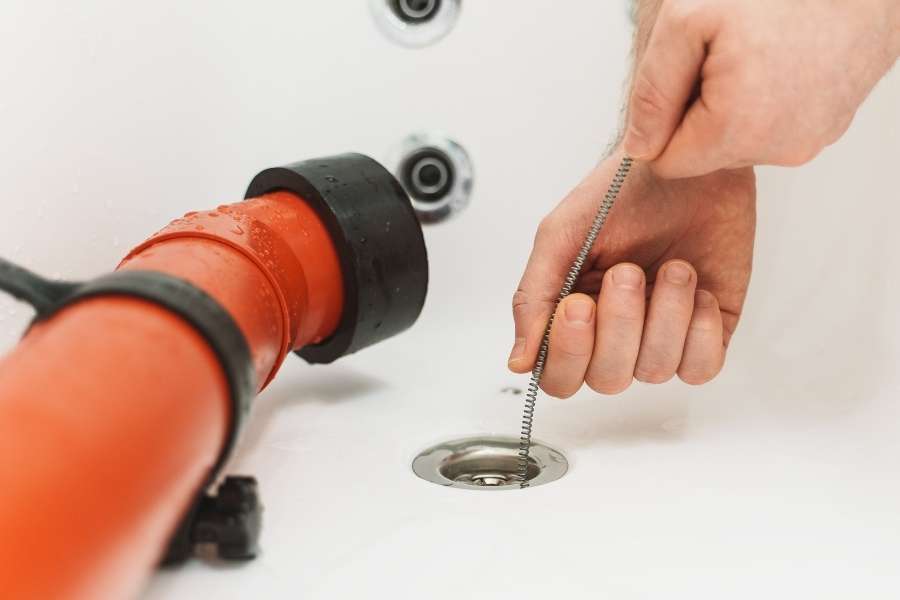
Nobody enjoys standing in dirty water while taking a shower. You watch dirty soap bubbles swirl slowly around your ankles. And you do not need expensive tools or a plumber to fix it. You can easily unclog a bathtub drain right now using safe, simple methods. Slow drains usually happen when daily grime builds up inside the pipe. You can clear these blockages without taking apart your fixtures. Let us look at practical methods that protect your pipes and save you money.
Why Does a Bathtub Stop Draining Properly?
Your bathroom pipes handle heavy daily use with every single shower. Shed strands and rich bath products constantly wash down into the opening. Over time, these materials catch on internal rods and brackets. Handling home upgrades like learning how to build own wooden floating shelves teaches you that small details matter, and plumbing is no different. This sticky mess narrows the pipe and slows the evacuation of wastewater. The built-in drain stopper often creates a natural catching point beneath the surface. It catches soap residue and fibers right at the entrance. This restriction stops the normal flow of wastewater before it reaches the main stack. Understanding how your pipe works makes it much easier to clear obstructions. You can break apart the blockage without scratching your chrome trim.
Anatomy of Your Bathtub Pipe System
Water exits your tub through a bottom hole that connects to a curved pipe. Plumbers call this curved lower section the P-trap. Above that exit sits an overflow opening that stops accidental flooding. This curved pipe holds clean water to block nasty sewer gases from entering your home. However, that low bend also collects heavy grit, dropped caps, and congealed oils. When your bathtub drains slowly, the obstruction usually sits inside that curved section. According to the International Association of Certified Home Inspectors, most tub blockages occur near the P-trap. Knowing this location helps you target the blockage with the right tool. You can clear the path without taking any pipes apart.
The Problem With Soap Scum and Strands
Loose hair binds with sticky soap scum inside the narrow pipe. Standard bar soaps contain animal fats and fatty acids that coat metal surfaces. These ingredients stick to pipe walls like heavy household glue. As more loose hair collects, it forms a tight, stubborn web. Hot tap rinses cannot break down these dense, sticky bonds alone. You need targeted pressure or mechanical tools to pull the web out. Taking quick action stops minor slowdowns from becoming total blockages. You can clear these fibrous webs using simple tools you already own.
Proven Ways to Unclog a Bathtub Drain Without Taking It Apart
You can easily unclog a bathtub without taking it apart using basic household items. Tackling this job yourself brings real satisfaction, much like deciding whether a diy solar panel installation worth the risk makes sense for your home energy goals. These methods protect delicate chrome finishes from scratches and stripped screws. You avoid breaking fragile vintage seals hidden inside the wall. Different blockages respond best to different clearing techniques. You can pick between mechanical tools, natural foaming mixtures, and direct suction. Each method attacks the clog from a different practical angle.
- Flexible plastic clearing tools for shallow fibrous tangles.
- Cup plungers for stubborn blockages deep in the line.
- Hot water and dish soap flushes for greasy soap scum.
- Baking soda and vinegar for natural line freshening.
The Barbed Plastic Zip Tool
A flexible barbed strip is ideal for shallow blockages near the opening. These long plastic strips slide easily past the side of the cap. Tiny outward teeth grip wet fibers without harming delicate pipe walls. Slide the plastic strip down into the gap beside the cap. Push it down gently until you feel a soft obstruction. Twist the handle twice so the small teeth grab the tangled fibers. Slowly pull the strip straight up into the tub basin. The tool will remove hair from the bathtub opening right away. Wipe the dirty mass onto paper towels and throw it into the trash. Repeat this motion from three different angles around the cap. Run warm tap flow to confirm that the line is fully open. This quick process takes less than five minutes from start to finish.
The Cup Plunger Technique
A standard rubber plunger creates strong hydraulic pressure inside the line. Do not use a toilet plunger with a protruding lower neck. A flat rubber cup forms a much tighter seal over tub surfaces. First, you must seal the overflow plate on the tub wall. Cover that overflow opening with a wet cloth or waterproof duct tape. If you skip this step, air escapes and you lose all suction power. Next, add two inches of tap liquid to cover the rubber cup.
Center the rubber rim directly over the bottom opening. Push downward slowly to force all trapped air out of the cup. Now pump the handle up and down rapidly ten to fifteen times. Keep the seal tight against the tub floor the entire time. The moving liquid pushes and pulls the blockage until it breaks apart. Yank the cup away quickly on the final upward pull. The trapped blockage will often pop straight up into the basin. Scoop up the debris immediately so it does not wash back down.
The Dish Soap and Hot Water Flush
Greasy bath oils and thick conditioners often glue loose fibers together. Regular dishwashing liquid cuts through stubborn grease and oily coatings. This gentle method dissolves the sticky glue that holds clogs together. Squirt half a cup of liquid dish soap directly around the cap. Let the concentrated soap slide down into the pipe for twenty minutes. The soap softens congealed oils and coats the pipe walls. While you wait, bring a large pot of tap liquid to a gentle boil.
Turn off the heat before the liquid reaches a violent rolling boil. Extremely hot boiling liquid can warp modern plastic pipes or crack cold porcelain. Pour the steaming liquid directly down into the opening in a steady stream. The heat melts congealed fats while the soap washes them away. Run hot tap flow for two full minutes to check the line. Repeat this flushing process once more if the flow remains slightly sluggish. Combining warm liquid with grease-cutting soap clears soft residue very quickly.
Natural Baking Soda and Vinegar Treatment
Baking soda and white vinegar offer a safe, non-toxic cleaning option. The fizzy reaction loosens grime along the inside walls of your pipes. It will not damage rubber gaskets or corrode older metal fittings. Start by pouring one cup of dry baking soda around the cap. Push the white powder down into the gaps using an old toothbrush. Make sure the powder drops past the cap into the pipe below. Pour one cup of distilled white vinegar directly over the powder.
The mixture will foam up instantly with carbon dioxide bubbles. Cover the drain hole with a damp cloth to direct the foam downward. Let the foaming mixture work inside the pipe for thirty minutes. The expanding bubbles lift sticky film and grime away from the pipe walls. Finish by flushing the line thoroughly with very hot tap liquid. This natural combination also eliminates sour odors caused by rotting organic matter. Use this gentle method monthly to keep your pipes fresh and clear.
How to Clean the Bathtub Drain Stopper in Place
Soap scum, dark mildew, and wet grime often coat internal metal linkages. You must clean the bathtub drain stopper regularly to maintain clean pipes. Keeping this hardware clean stops bad smells and prevents debris from catching. Regular surface maintenance keeps your bathroom looking clean and smelling fresh. It also stops minor debris from sliding deeper down into the curved trap.
- Scrub visible metal edges weekly with an old toothbrush.
- Dissolve white mineral scale using a warm vinegar soak.
- Inspect the gap with a flashlight to spot trapped fibers early.
Raise the cap as high as it will go without unscrewing it. Spray the exposed metal shaft with a foaming bathroom cleaner. Let the cleaning spray break down soap scum for five minutes. Scrub the underside of the cap thoroughly with an old toothbrush. The stiff bristles remove stubborn mildew from tight metal crevices. Rinse away the dirty foam using a handheld shower wand. If hard mineral scale coats the cap, use white household vinegar. Soak a paper towel in vinegar and wrap it around the cap. Wait twenty minutes, remove the paper towel, and wipe the metal clean. Dry the polished metal surface with a clean microfiber cloth. Your hardware will look bright and function smoothly without any sticking parts.
Professional Tools: When to Use a Plumbing Snake
Deep blockages inside the wall may resist basic suction and foaming mixtures. In that situation, you should use a plumbing snake to clear the line. A drain auger reaches deep bends that household tools cannot touch. Plumbing experts from the Uniform Plumbing Code recommend manual steel augers for stubborn residential obstructions. Modern hand augers feature slender steel cables that easily pass through narrow openings.
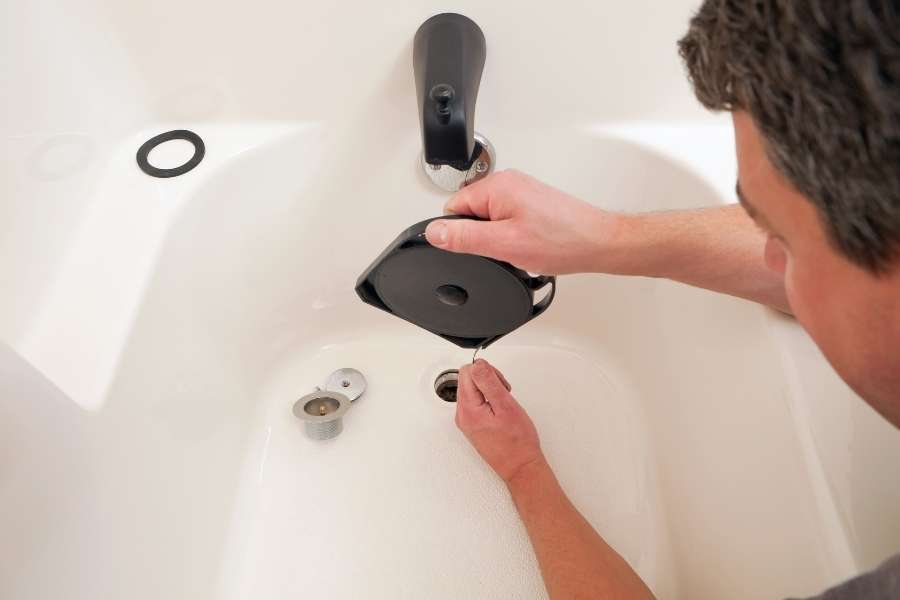
A thin, flexible cable slips past the cap into the pipe below. Feed the metal tip slowly into the gap alongside the cap. Turn the drum handle clockwise as you guide the cable downward. When you hit a firm obstruction, stop pushing the cable forward. Rotate the drum handle steadily against the blockage for twenty seconds. The spiraled metal tip catches the tangled mass like a corkscrew. Slowly pull the steel cable back out of the opening. Pulling too quickly can fling dirty water across your clean bathroom walls. Pull the trapped mass from the tip and discard it in the trash. Run hot tap flow for three minutes to flush out any remaining particles. Your tub should now drain at full speed without any standing puddles. Using a manual snake clears deep blockages without opening wall access panels. It gives you professional clearing power at a very low cost.
Mistakes to Avoid When Clearing Your Bathtub
Trying to clear a slow pipe in a rush can cause costly damage. Aggressive tools and caustic chemicals can corrode metal fittings and melt plastic pipes. Taking a careful approach protects your plumbing system from expensive structural damage.
- Caustic chemical drain cleaners that generate extreme heat inside pipes.
- Stiff wire coat hangers that scratch chrome and get jammed in traps.
- Excessive force on internal rods that can bend or break mechanisms.
- Plunging without sealing the overflow plate on the tub wall.
Caustic drain cleaners contain harsh chemicals like sodium hydroxide or sulfuric acid. These chemicals generate intense heat that can soften PVC pipes and dissolve glue. They also release dangerous fumes that irritate your eyes and lungs. Wire hangers often scratch smooth porcelain and polished chrome surfaces. The sharp cut wire tip can puncture old brass pipes inside walls. If the hanger snaps, extracting the broken wire requires professional help. If your pipe stays clogged after trying these methods, step back. Persistent backups often point to deeper blockages inside the main vent stack. Calling a licensed plumber is the smartest move when DIY methods fail.
Habits That Keep Your Bathtub Draining Fast
Preventing blockages takes much less effort than clearing stubborn clogs later. Simple daily habits stop grime from collecting inside your drainage pipes. A few seconds of care will keep your tub running smoothly for years.
- Place a silicone hair catcher over the cap during every shower.
- Brush your hair thoroughly before stepping into the tub basin.
- Pour a gallon of hot water down the pipe once every week.
- Limit oily bath bombs and thick body butters that harden in pipes.
A silicone catcher traps loose fibers before they enter the pipe. Simply wipe the silicone catcher clean with toilet paper after your shower. This single habit prevents almost all organic blockages from forming. Weekly hot flushes melt soft soap scum before it turns into hard scale. Hot tap flow carries away floating debris before it settles in the P-trap. These simple steps protect your plumbing and save you hundreds of dollars in repair bills. Your morning showers will stay clean, pleasant, and completely puddle-free.
FAQ
Can I unclog a bathtub drain without using harsh chemicals?
Yes, you can easily clear most blockages using mechanical tools or hot water. Thin plastic zip tools, cup plungers, and dish soap flushes work very well without toxic fumes.
Will a toilet plunger work on a slow tub drain?
A standard toilet plunger does not seal well against flat tub floors. You need a flat cup plunger to create strong suction over the opening.
How do I clear the pipe if my stopper does not lift very high?
Slide a thin barbed plastic strip into the narrow gap beneath the cap. The flexible barbs catch hair strands easily without requiring you to remove any hardware.
