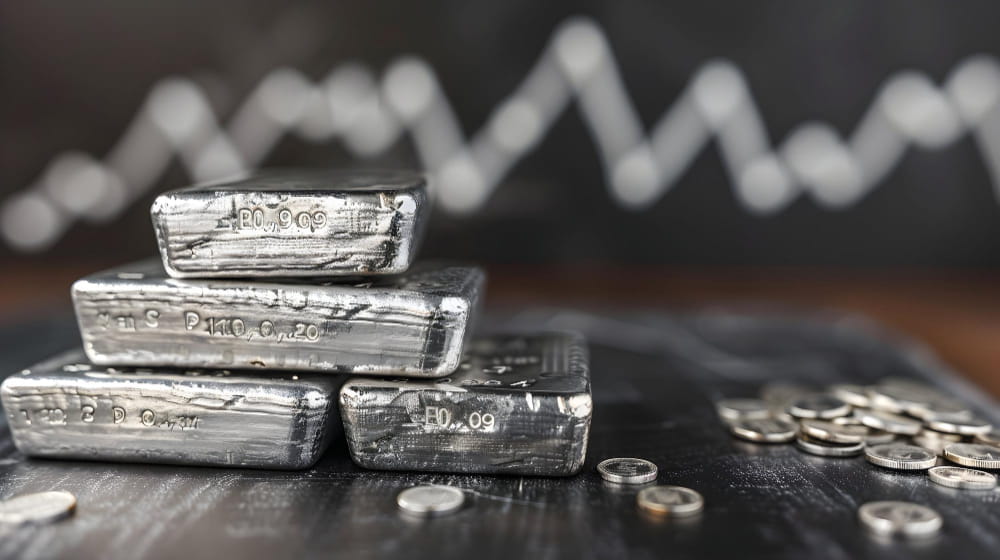
Walking into the world of precious metals can feel a bit like stepping onto a crowded trading floor for the first time. The numbers flash by, the jargon flies fast, and if you aren’t careful, you can easily end up overpaying or buying the wrong asset entirely. But if you are looking to build real, tangible wealth that stands the test of time, you have come to the right place. This comprehensive silver buying guide will strip away the noise and give you the exact strategies you need to acquire physical metal safely and confidently. Whether you want to guard your hard-earned money against economic shifts or simply want something heavy and valuable in your hands, we are breaking down everything from pricing structures to tax laws so you can invest like a seasoned professional.
Why Physical Silver Belongs in Your Portfolio
Economic landscapes change rapidly, and traditional paper assets often bear the brunt of unexpected market downturns. That is exactly why tangible commodities have maintained their allure for thousands of years, providing a physical anchor when digital systems feel highly volatile. For modern investors, silver serves a vital dual purpose as both an essential industrial powerhouse and a reliable monetary asset. Unlike paper currency, which central banks can print out of thin air, the global supply of silver is strictly limited by what can be physically mined from the earth. Integrating this metal into your financial plan provides a reliable hedge against inflation, ensuring that your purchasing power stays intact even as fiat currencies lose value over time. Furthermore, including physical commodities offers exceptional asset portfolio diversification, smoothing out the volatile swings of the stock market and giving you a stable foundation during broader economic uncertainty.
The baseline cost of entry into the physical silver market is governed entirely by an internationally recognized pricing mechanism that updates constantly during trading hours. To maximize your investment yield, you must master the fundamental relationship between public market pricing and the retail markup you pay at the counter.
Spot vs. Premium: Decoding the Real Price
One of the first hurdles every new investor faces is understanding how precious metals are actually priced in the real world. If you look up the current market price on a financial app, you are looking at the standard silver spot price. This figure represents the fluctuating baseline price for one troy ounce of raw, unrefined silver on the global commodities exchanges. However, you cannot simply buy physical metal at this exact baseline number. When you purchase from a retail source, you will always pay a markup known as a premium. The difference between silver spot price and premium accounts for the real-world costs of manufacturing, refining, distributing, and the retail dealer’s profit margin.
Total Purchase Price = (Silver Spot Price x Weight) + Retail Premium
To maximize your investment, your goal should generally be to keep this premium as low as possible. Larger bars typically carry much lower markups per ounce than small, intricate coins because they require less manufacturing labor per ounce of metal refined.
Choosing the Right Form of Silver
Not all silver is created equal, and the form you choose should directly align with your long-term goals for liquidity, storage, and ease of resale. Let’s look at the primary options available on the market today so you can make an informed choice.
Before selecting specific products, you must evaluate the trade-offs between government-issued legal tender and privately manufactured bullion pieces. Each option carries distinct advantages regarding upfront cost efficiencies and cross-border recognition when liquidating holdings.
Bars, Rounds, and Sovereign Coins
If your primary objective is simply to accumulate the maximum amount of pure metal for your dollar, silver bullion rounds and minted bars are your best bet. Rounds look like coins, but they are minted by private refineries rather than governments, meaning they carry no legal tender face value and feature much lower retail premiums. Sovereign coins, such as the American Silver Eagle or the Canadian Silver Maple Leaf, are minted by official government mints. While their initial markups are higher, they are highly recognizable worldwide, making them incredibly easy to liquidate when it comes time to sell.
| Product Type | Typical Premium Level | Best For |
|---|---|---|
| 100 oz / 10 oz Bullion Bars | Very Low | Maximum metal accumulation, long-term wealth storage |
| Private Bullion Rounds | Low to Moderate | Cost-effective investing with excellent liquidity |
| Government Sovereign Coins | Higher | Maximum recognizability, global trust, legal tender status |
Beyond weight and format, evaluating purity markings is a non-negotiable step to avoid buying jewelry grade items that complicate your long-term investing strategy. True wealth preservation requires holding assets that meet strict international refining specifications.
Understanding Purity and Sterling Silver
As you shop around, you will also encounter jewelry and vintage items. It is crucial to note the 925 sterling silver composition, which means the item consists of 92.5% pure silver mixed with 7.5% alloy metals, usually copper, for added durability. While beautiful for tableware or jewelry, sterling silver is rarely ideal for pure investment portfolios because refining it back to pure form incurs extra costs. For investment purposes, you should stick strictly to investment-grade bullion, which boasts a purity level of 99.9% or higher.
Finding a Trusted Partner and Ensuring Security
The physical metals market relies heavily on trust, reputation, and verification. Because you are dealing with high-value physical assets, cutting corners on security or authentication can lead to costly mistakes.
Establishing a bulletproof acquisition protocol involves screening potential suppliers and configuring an environment that keeps your assets safe from theft or environmental damage. Let’s isolate the best industry practices for dealer selection and secure asset management.
Selecting an Authentic Dealer
Working with a vetted, well-established precious metals dealer is your absolute best defense against counterfeit products. Look for long-standing businesses with transparent pricing, strong industry reviews, and explicit buy-back policies. Avoid fly-by-night operations or online marketplace sellers offering deals that seem too good to be true. A reputable dealer will always display their prices openly, tying them directly to the live fluctuating markets.
Verification and Safe Storage
Whenever you purchase high-weight bars or specialized collector coins, ensure they arrive with a verifiable certificate of authenticity or proper mint hallmarks stamped directly into the metal. This official documentation verifies the precise weight and purity, saving you a massive headache when you eventually decide to sell the asset. Once the metal is in your possession, you must have a concrete plan for physical silver storage. Because silver is less dense than gold, a large dollar investment takes up a significant amount of physical space and carries substantial weight. While a high-quality, hidden home safe can suffice for smaller collections, rapidly growing portfolios are often best kept in a secure, fully insured third-party depository specializing in precious metals protection.
Navigating the Legalities and Tax Regulations

Before you complete a large purchase, you need to understand the legal landscape. Precious metals are subject to specific regional tax laws and reporting thresholds that can directly impact your total investment costs.
Taxation rules change based on the physical jurisdiction where your metals are delivered or stored. Understanding these exact regulatory barriers prevents unexpected transactional fees from eroding your initial investment capital.
Regional Rules and Cash Thresholds
For example, if you look at what are the silver buying regulations in california, you will find that the state enforces a strict sales tax exemption threshold. Purchases of investment-grade bullion under $2,000 are subject to standard local sales tax. However, if your single transaction total crosses above that $2,000 mark, the entire purchase becomes completely exempt from sales tax, making larger, consolidated purchases significantly more cost-effective for investors. On a national level, the federal government mandates strict silver reporting requirements for large transactions to prevent illicit financial activities. If you buy or sell precious metals using more than $10,000 in physical cash, money orders, or cashier’s checks, your dealer is legally required to file IRS Form 8300. Note that standard bank wires or personal check transactions do not trigger this specific retail reporting requirement.
Real Estate vs. Metals: The Capital Gains Impact
Finally, you need to plan for the eventual day you decide to cash in on your profits. Many investors ask, how does capital gains tax on silver work? In the eyes of the IRS, physical precious metals are legally classified as collectibles rather than standard capital assets like stocks. This classification means that if you hold your physical silver for more than one year before selling it at a profit, your long-term capital gains can be taxed at a maximum rate of up to 28%. This rate is higher than standard investment capital gains brackets, so keeping pristine records of your initial purchase prices and dates is absolutely vital for calculating an accurate cost basis.
Building wealth through physical commodities is one of the most satisfying financial moves you can make. It is a time-tested strategy that converts paper wealth into a permanent, physical legacy. Do you want the rest?