
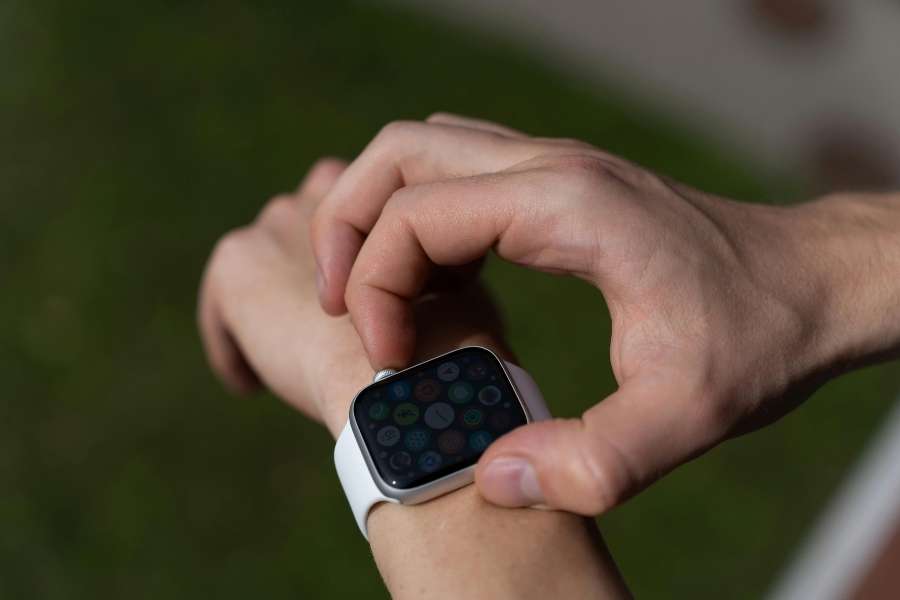
Wearable Fitness Technology has completely changed how pro athletes train. Remember when coaches just used stopwatches and their eyes? Those days are long gone. Now elite athletes strap on devices packed with sensors that track everything. These gadgets have become just as important as cleats or gloves.
Think about it. Your favorite NBA player knows exactly how high they jumped last night. Their watch told them their heart was working too hard during the third quarter. A tiny device on their chest measured how fast they recovered between plays. This stuff wasn’t even possible ten years ago.
Professional teams throw millions at this tech because it works. The gap between first place and last often comes down to tiny improvements. You can’t see these gains with your naked eye. But the data? It shows everything. Athletes train smarter, recover better, and stay healthy longer.
Training used to be all about gut feelings and experience. Coaches would say things like « run until you feel tired » or « push through the pain. » Now? Your device buzzes when you hit your limit. It tells you to slow down before you hurt yourself. Or it pushes you harder when you’ve got more in the tank.
How Wearable Fitness Technology Changes Training Forever
Modern smart fitness wearables capture crazy amounts of data every second. We’re talking thousands of measurements while you’re sweating it out. Heart rate is just the beginning. These devices track your oxygen levels, how efficiently you move, and even predict when you might get injured.
Professional athletes love this real-time performance tracking because they can adjust on the spot. Your heart rate spikes too high during sprints? The device tells you immediately. You’re not pushing hard enough? It nudges you to go faster. No more guessing games.
Today’s advanced athletic wearables are basically tiny computers. They’ve got accelerometers that feel every step. Gyroscopes that catch the slightest movement changes. GPS chips that track you down to the centimeter. Some can even tell if your running form is getting sloppy when you’re tired.
Real-Time Feedback Hits Different
Getting instant feedback while you train changes everything. You don’t wait until tomorrow to find out how you did. Your wrist buzzes right now when something’s up. Maybe your form is off. Maybe you’re not working hard enough. The device knows, and it tells you immediately.
This instant communication turns boring training into something interactive. You’re not just running laps anymore. You’re having a conversation with technology that knows your body better than you do. It pushes you when you can handle more and pulls you back when you’re overdoing it.
Swimming coaches are obsessed with this stuff now. Pool-specific wearable devices count every stroke. They measure how far you go with each arm pull. They time how long you stay underwater after turns. Swimmers can fix their technique mid-lap instead of waiting for their coach to yell from the deck.
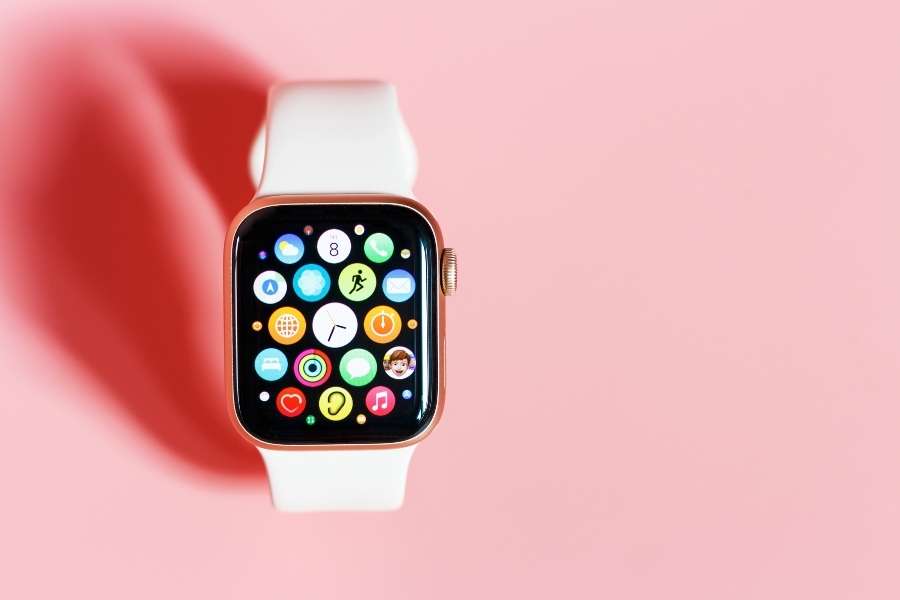
Wearable Fitness Technology Takes Over Team Sports
Team sports get tricky with wearables, but the payoff is huge. Team-based fitness tracking means coaches watch twenty players at once, all in real time. They see who’s working hardest, who’s getting tired, and who’s about to make a crucial mistake because they’re exhausted.
GPS-enabled sports wearables track every step players take with scary accuracy. Soccer coaches now know exactly where each player ran during the game. They can see patterns that nobody noticed before. Like how certain formations make players run more efficiently. Or how fatigue makes defenders drift out of position in the 75th minute.
Load management wearables prevent players from breaking down. These devices add up all the stress from practice and games. When someone’s numbers get too high, coaches ease off before injury strikes. This is huge in sports like basketball where guys play 82 games plus playoffs.
Basketball teams use this data to make game-time decisions. Wearable fitness technology shows when a player’s legs are gone, even if they’re trying to hide it. Their jump height drops. Their landing gets wobbly. Time for a substitution before something bad happens.
Making Each Player Better While Keeping the Team Together
Every athlete is different, but they still need to work as a team. Personalized fitness wearables let coaches customize training for each player while keeping everyone on the same page tactically. It’s like having twenty different training programs that somehow fit together perfectly.
Rugby teams nail this balance. They use wearable data to give some players extra recovery time while others push harder. The guy who got hammered in last week’s game might do light training. Meanwhile, the player who’s feeling great gets extra conditioning work. Everyone stays sharp for game day.
Team wearables also create natural competition. Competitive fitness tracking among teammates gets everyone fired up. When players can see each other’s numbers, they push harder. Nobody wants to be the lazy one on the team dashboard.
Recovery and Staying Healthy with Wearable Fitness Technology
Here’s where wearables really shine. Wearable fitness technology spots problems before they become season-ending injuries. These devices work like early warning systems for your body. They catch tiny changes that signal big trouble ahead.
Sleep tracking wearables changed the recovery game completely. Poor sleep kills performance and makes injuries more likely. Players who used to party all night now obsess over their sleep scores. The device shows exactly how those late nights hurt their numbers.
Getting good recovery data means looking at everything together. Multi-parameter recovery monitoring combines sleep info with heart rate changes and how the athlete feels mentally. This creates a score that tells coaches if someone’s ready to go hard or needs to take it easy.
Tennis players live and die by this stuff. The tour never stops. Players fly around the world constantly. Travel-optimized wearables help them adjust to new time zones and figure out how all that flying affects their bodies. The device tells them when they’re ready to compete at full strength.
Predicting Injuries Before They Happen
The coolest part about wearable fitness technology isn’t just tracking what’s happening now. It’s predicting what might happen next. Predictive injury analytics use artificial intelligence to spot patterns that usually lead to injuries. This lets teams fix problems before athletes get hurt.
These smart algorithms notice things humans miss. Maybe a player’s left leg is working slightly harder than their right. Or their movement pattern changed just a tiny bit after a hard practice. The computer catches these warning signs days or weeks before an injury would happen.
Track and field athletes use this tech to stay healthy during intense training. When their risk profile spikes, they might skip a workout or do extra stretching. Cost-effective injury prevention wearables save teams millions by keeping star players on the field instead of in the medical room.
Turning Data into Winning with Wearable Fitness Technology
All this data means nothing unless you can use it. Advanced performance analytics take overwhelming amounts of information and turn it into simple advice that actually helps. Modern systems tell athletes exactly what to do differently.
Artificial intelligence finds patterns that human coaches never could. These systems predict the perfect training load for each athlete. They suggest the best recovery strategies. They even recommend tactical changes based on how tired players get during games. The computer becomes like having the world’s smartest coach in your pocket.
Cycling teams are masters at this. Power meter integration combines with heart rate and weather data to create detailed performance maps. Cyclists know exactly how hard to push during different parts of a race. They can see their energy levels in real time and adjust their strategy accordingly.
The best part? You don’t need a science degree to use this stuff. User-friendly wearable interfaces take complex calculations and show them through simple colors and numbers. Green means go harder. Red means back off. Yellow means you’re right where you need to be.
Connecting Everything Together
Wearable fitness technology gets really powerful when it combines data from different activities. Cross-training data integration shows coaches how swimming practice affects running performance, or how weight lifting impacts game-day energy levels.
Triathletes benefit massively from this connected approach. They train in three completely different sports that each stress the body differently. Multi-sport wearable systems track performance across swimming, biking, and running while showing how each one affects the others.
Managing all this information requires serious software. Comprehensive training platforms pull together wearable data with nutrition info, weather conditions, and competition schedules. The result is personalized recommendations that consider every factor affecting performance.
What’s Coming Next in Wearable Fitness Technology
This technology keeps getting better fast. Next-generation wearable sensors are shrinking while getting more accurate. Soon they’ll monitor things we can only test in labs right now.
Scientists are working on non-invasive biomarker monitoring that reads your blood chemistry through your skin. Imagine knowing your lactate levels without pricking your finger. Or tracking hydration status in real time during a marathon. This stuff is coming sooner than you think.
AI-powered coaching systems will provide personalized advice based on everything happening in your body and your environment. It’ll be like having an expert coach who never sleeps and knows everything about exercise science.
Professional teams are already betting big on these emerging technologies. The organizations that master them first will dominate their sports for years to come.
Making It Personal
The future belongs to extreme personalization. Genetically-informed wearables will soon factor in your DNA to provide recommendations based on your genetic makeup. Your device will know not just how you’re performing now, but how your body is programmed to respond to different types of training.
Customizable wearable platforms will let athletes focus on what matters most for their sport while ignoring irrelevant data. A sprinter needs different metrics than a marathon runner. Why clutter the interface with information that doesn’t help?
Virtual and augmented reality will merge with wearable tech to create immersive training experiences. Athletes will train in virtual versions of competition venues while getting real-time feedback about their bodies and technique.
